Red Fruits and Vegetables — Health Benefits
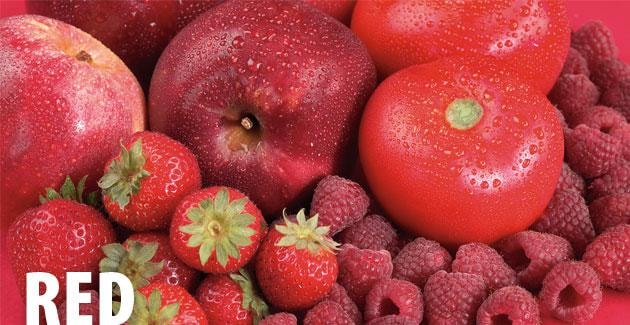


Deep red and bright pink fruits and vegetables get their color from one of two natural phytonutrients, lycopene or anthocyanin. Lycopene-rich foods include pink grapefruits, watermelon and tomatoes as well as tomato products, which have the highest concentrations of this beneficial phytonutrient. Lycopene has been linked to a lowered risk of heart disease and some forms of cancer.
Anthocyanin, a flavonoid with potent antioxidant and anti-inflammatory capacity, is found in the pigments of red fruits like strawberries, raspberries and red grapes. Antioxidants help defend against cell damage that causes many chronic and age-related diseases. Studies suggest anthocyanin may help slow cognitive decline, protect vision, reduce the risk of cancer and protect against cardiovascular disease.
Some red fruits offer a range of other potential benefits as well. The phytonutrient quercetin, found in apples, has antioxidant and anti-inflammatory properties that may help reduce the risk of cancer. The phytonutrients in cranberries have been linked to prevention of urinary tract infections. Pomegranates may support blood vessel health and cherries may help arthritis.
Include a variety of red fruits and veggies in your diet to help maintain:
| ►Heart health | ►A healthy immune system |
| ►A lower risk of some cancers | ►Vision health |
| ►A healthy prostate | ►Healthy skin |
Red fruits and vegetables include:
- ►Tomatoes
- ►Watermelon
- ►Pink grapefruit
- ►Strawberries
- ►Raspberries
- ►Red grapes
- ►Cherries
- ►Cranberries
- ►Pomegranates
- ►Red apples
- ►Red peppers
- ►Beets
- ►Red cabbage
- ►Radishes
Presented In Association With